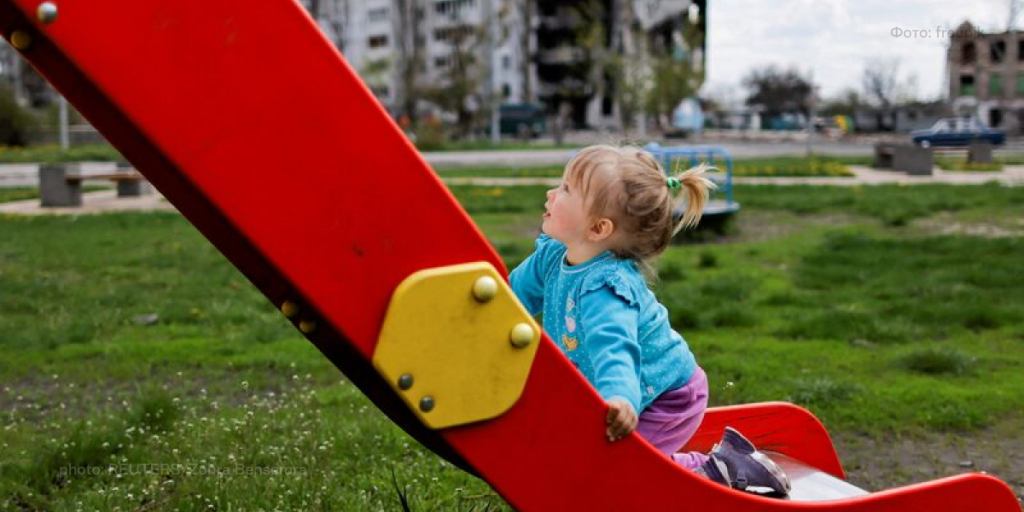
WASH in wartime. Why water, sanitation and hygiene matter
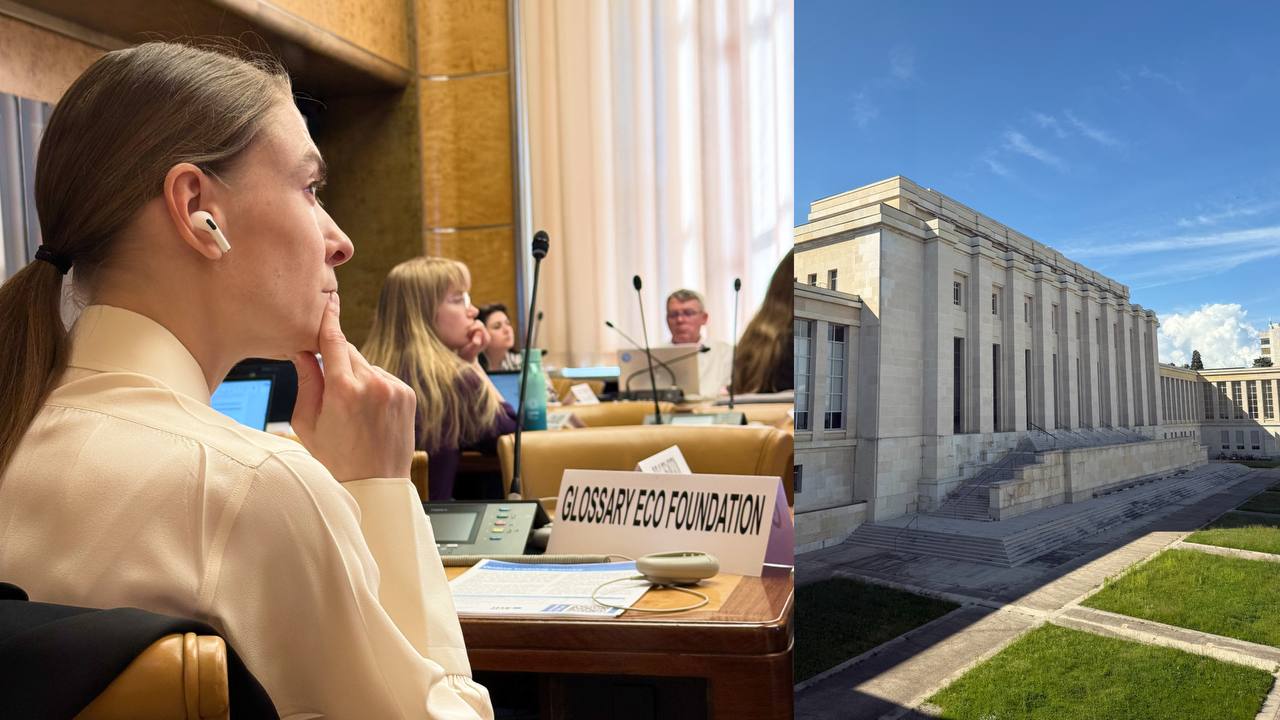


Geneva. 15th meeting of the UNECE Working Group on Water and Health. During the conference, scientist, environmental activist and founder of Glossary Eco Foundation Anastasia Tsybulyak emphasized the importance of protecting basic human rights in times of war and building sustainable water supply, sanitation and hygiene systems, despite daily challenges.
The acronym WASH stands for Water, Sanitation and Hygiene. It is not just a technical term. It is the basis of survival, protection, dignity and health for millions of people. What is taken for granted in peaceful countries is a daily struggle in Ukraine. “Water, sanitation and hygiene are not just technical terms, they are the basis of survival, dignity and health protection for millions of people. In Ukraine, this is not the only challenge, it is a daily struggle,” noted Anastasia Tsybulyak, drawing attention to the critical problem of access to clean water and proper conditions in frontline communities and social institutions. According to UNICEF, more than 15.6 million people in Ukraine need WASH assistance. About 40% of the centralized water supply and sanitation system has been damaged or destroyed. In frontline areas, people are forced to use water from rivers and wells, often in exchange for basic conditions in schools and hospitals. “We are talking about protection from disease, about dignity, the safety of women and children. “It is from this community resilience,” said Anastasia Tsybulyak, speaking about the need to implement effective WASH solutions in schools, medical facilities and support centers for vulnerable groups. It is important to integrate WASH systems into climate policy, as these systems are the first to collapse during emergencies.
“The war in Ukraine is not only a humanitarian but also an ecological disaster. However, we provide a unique experience of living and adapting, as well as the opportunity to create environmentally safe infrastructure for access to water and sanitation,” added Anastasia Tsybulyak.
Simple WASH solutions should be implemented in Ukraine, especially during times of war. In schools:
• Manual handwashing stations (with canisters or pedal)
• Drinking water storage containers
• Mobile or composting toilets
• Hygiene kits (soap, disinfectants, pads)
• Posters and lessons on basic hygiene
In hospitals:
• Hand hygiene stations near classrooms
• Solar hot water boilers
• Portable water filters
• Bio-toilets or septic tanks
• Instructions and marking of waste areas
These initiatives help communities restore water supplies and improve living conditions even in times of war.
Research shows that:
— 78% of National Adaptation Plans (SNAPs) prioritize water supply.
— But only 8% of Nationally Determined Contributions (NDCs) mention it as an important target.
— Sanitation and hygiene are even less represented in policy.
This means one thing: water, sanitation and hygiene are not sufficiently integrated into climate policy. And this is critical. Without sustainable WASH systems, we will not be able to effectively adapt to climate change.
Support Glossary Eco Foundation so we can continue educational and eco-friendly projects that make real difference
Donate