Climate crisis = child rights crisis
12.09.2025
#Analytics
4 min reading
Share:


The climate crisis has long ceased to be a forecast of the future. It has become a reality of the present, determining the living conditions of millions of people. It is not states or economies that suffer the most from the consequences of climate change, but children. They are the most vulnerable part of society.\
According to estimates by the United Nations Children’s Fund (UNICEF), one billion children in the world live in regions that are at “extreme risk” due to climate threats. This is half of all children on the planet. And we are not just talking about dry statistics. This is an indicator that global environmental challenges have turned into a child rights crisis. After all, every natural disaster or change in climate conditions means a direct intervention in the basic rights of a child — to life, health, education and security.
Children’s Climate Risk Index (CCRI). To assess the level of danger for children in different countries of the world, UNICEF has developed the Children’s Climate Risk Index (CCRI). This tool takes into account two main dimensions. The first is environmental threats: floods, prolonged heat waves, hurricanes, air pollution, lack of clean water and drought. The second is social vulnerability, which is determined by access to medicine, education, basic infrastructure and protection systems. It is the combination of these factors that makes it possible to see not only the scale of the danger, but also the ability of a particular country to actually protect its children.
Why children are most vulnerable. The climate crisis affects everyone, but children are hit hardest. Children’s bodies are much more sensitive to the effects of high temperatures and polluted air. Any nutritional disorders or problems with access to clean water have much more serious and long-lasting consequences for children than for adults. When a child loses the opportunity to go to school due to a natural disaster, it means not only a break in education. It also means the destruction of social ties, a sense of stability and security. In addition, children in low-income countries are ten times less protected from climate risks than their peers in developed countries. This creates an even greater gap between different parts of the world and exacerbates global inequality.
School as a space of resilience. Education is one of the most important tools for adapting to climate change. In this context, school is not just a place for lessons. It is a space where a child can receive basic security: access to drinking water, proper sanitation, shelter during emergencies. School is able to provide psychological support, help children overcome traumatic experiences and restore a sense of stability in crisis conditions. It is also the school that can give children the knowledge and skills necessary for life in a changing world. This is both about environmental literacy and practical skills to act in emergency situations. Therefore, every school that is able to withstand climate or humanitarian challenges becomes a kind of “island of resilience” not only for children, but also for the entire community.
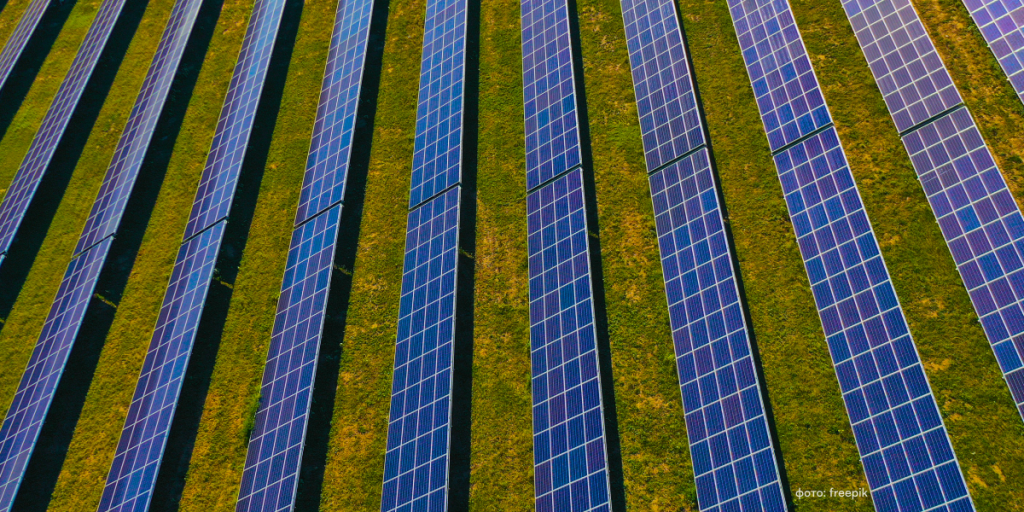
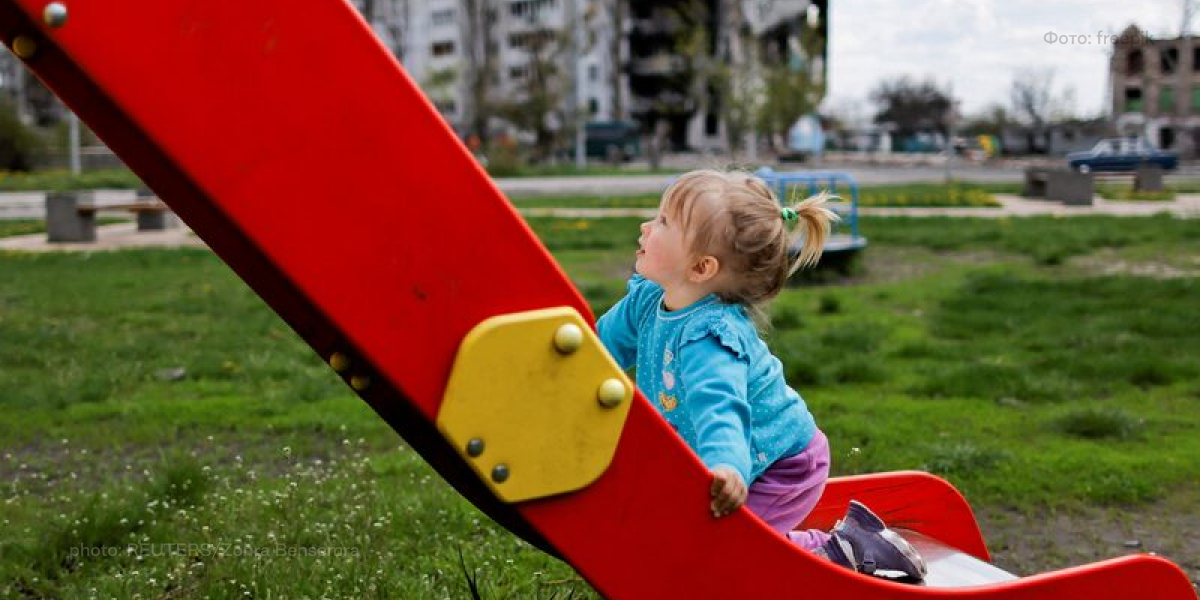
Ukraine is in the focus of a double crisis. This topic is especially relevant for Ukraine. Today, the country is experiencing two large-scale crises at the same time: war and climate change. The destruction of infrastructure, pollution of water and soil, and the increase in the number of extreme weather events create serious risks for the future generation. At the same time, it is in such conditions that schools become an example of recovery and hope. After shelling, they are being rebuilt according to the principles of sustainable development: installing solar panels to ensure energy independence; implementing water purification and saving systems; creating spaces for environmental education. This is not just a response to the current challenges of war. This is an investment in a future where education and climate resilience will be closely linked.
Why it’s critical. When we talk about climate, we’re actually talking about children’s rights. The right to life, the right to health, the right to education and the right to security all depend on how society responds to climate threats. And vice versa: any delay in climate action is a direct violation of children’s rights. Therefore, investing in schools, in safe infrastructure, in green technologies and solutions cannot be seen as an optional or optional option. It is a survival and development strategy that will determine the world the next generation will live in. The future of our children depends on the steps we take today.
Support Glossary Eco Foundation so we can continue educational and eco-friendly projects that make real difference
Donate