WarWilding: When Nature Becomes a Tool for War and Recovery
23.08.2025
#Analytics
2 min reading
Share:


The term WarWilding was coined by researcher Jasper Humphreys of King’s College London. It describes the phenomenon of the deliberate alteration of the natural environment during military operations, both for defense and offense.
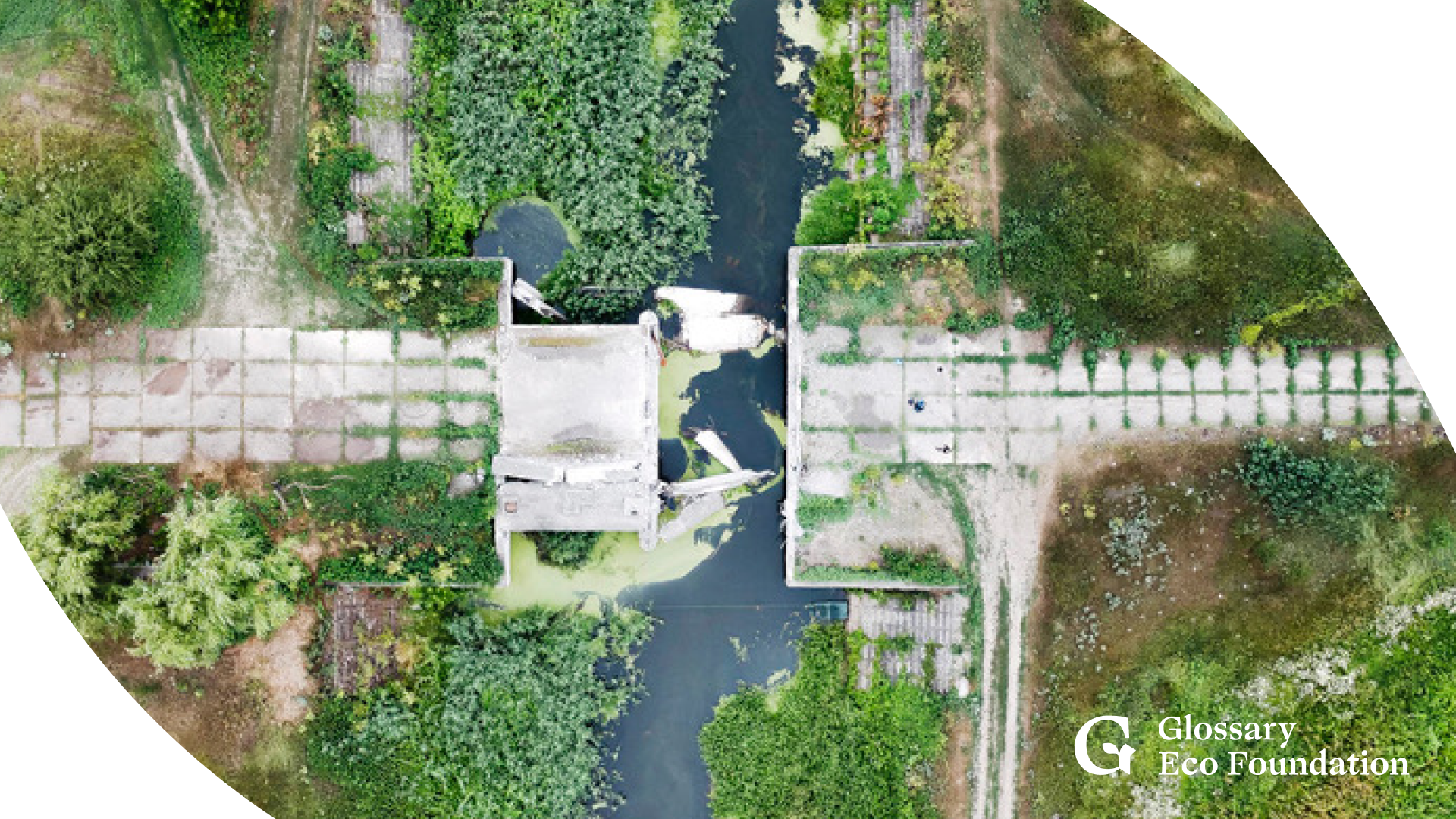
In 2022, Humphreys used the concept to explain events in Ukraine, when the Ukrainian military deliberately breached a dam on the Irpin River to flood the area and stop the advance of Russian troops. This decision had a dual effect: military (slowing down the enemy) and ecological (restoring a wetland that had not existed for over 70 years)
Research approach. In 2024, researcher Lynn Ma published an article “WarWilding: A Weapon and a Shield in the Midst of Conflict” in the Hastings Environmental Law Journal.
She distinguishes two types of WarWilding:
• Defensive — when changes to the natural environment help deter aggression and at the same time contribute to the preservation or restoration of ecosystems.
• Offensive — when nature is used to cause harm, for example, by destroying crops, poisoning water, or devastating territories.
• Defensive — when changes to the natural environment help deter aggression and at the same time contribute to the preservation or restoration of ecosystems.
• Offensive — when nature is used to cause harm, for example, by destroying crops, poisoning water, or devastating territories.
Ma emphasizes that defensive use may comply with international law, but aggressive use, as a rule, violates the ENMOD Convention (Convention on the Prohibition of Military or Any Other Hostile Use of Environmental Modification Techniques) and other norms of international humanitarian law.
In the military engineering field, there is the concept of “defensive wetlanding” — the creation or restoration of wetlands to slow down the movement of enemy equipment. In addition to the defensive role, such solutions can have environmental benefits: improving water quality, protecting against floods, preserving biodiversity.
Why it matters for Ukraine. In a war environment, WarWilding demonstrates that defense strategies can be compatible with environmental approaches. This opens up the prospect of:
• integrating environmental solutions into military planning;
• minimizing damage to nature during hostilities;
• faster ecological recovery after war.
• integrating environmental solutions into military planning;
• minimizing damage to nature during hostilities;
• faster ecological recovery after war.
Support Glossary Eco Foundation so we can continue educational and eco-friendly projects that make real difference
Donate