Global Plastics Treaty: Are We Really Close to Ending the Era of Pollution?
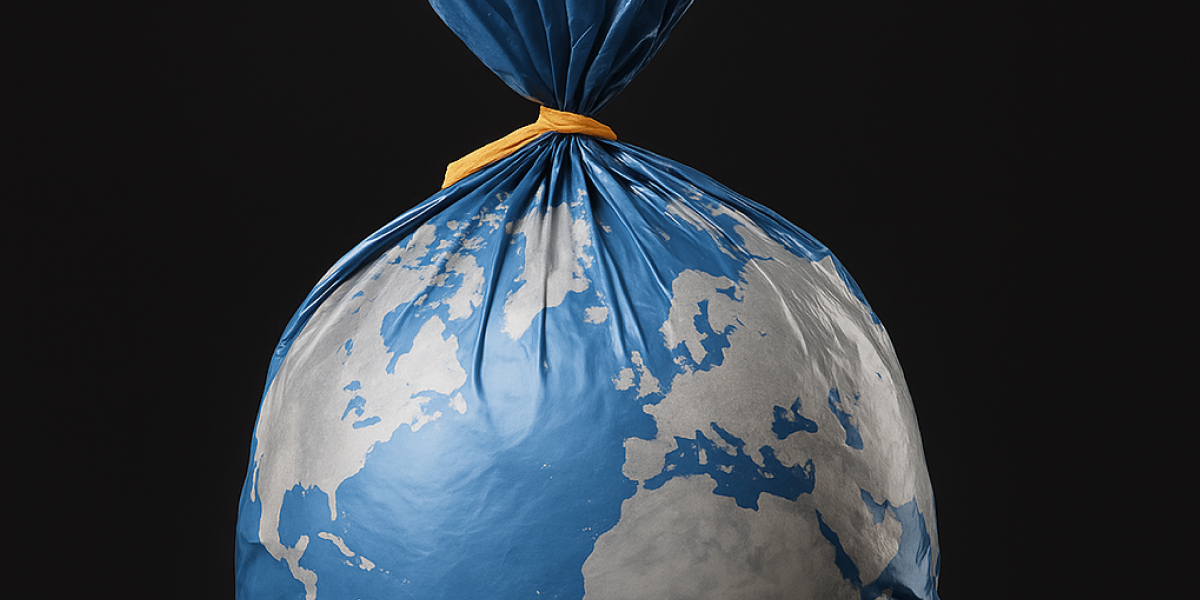


In August 2025, a decisive round of negotiations — INC‑5.2 — is taking place in Geneva. This is the final opportunity for 175 countries to agree on the world’s first legally binding treaty aimed at ending plastic pollution. It’s a historic moment: the global community faces a stark choice between taking bold action or settling for yet another compromise that will delay real solutions for another decade.
The Global Plastics Treaty, spearheaded by the United Nations Environment Programme (UNEP), is designed to address the entire life cycle of plastic — from design and production to use, disposal, and reuse. Unlike previous initiatives, this treaty is not just about cleaning up pollution, but about tackling its root cause: the excessive and unsustainable production of plastic, particularly single-use plastics. At its core, the treaty calls for a complete rethinking of how we consume and produce.
The urgency is impossible to ignore. According to the OECD, global plastic production is projected to nearly triple by 2060 if no meaningful action is taken. Today, less than 10% of plastic is actually recycled. Microplastics have been found in soil, air, drinking water, marine animals, and even in the human placenta. Researchers estimate the annual health-related cost of plastic pollution at $1.5 trillion USD.
The scientific community is clear in its message. Professor Richard Thompson from the University of Plymouth says: “Plastic pollution spans the entire planet — from pole to equator. We find microplastics in the deepest oceans and the highest mountains. The time for decisive action is now.” Greenpeace International warns: “Unregulated plastic production is a death sentence. The only way to stop plastic pollution is to stop producing so much plastic.” UNFCCC Executive Secretary Simon Stiell echoes the urgency: “We are facing a global crisis. Plastic pollution is harming ecosystems, destroying wildlife, threatening human health. This is the last chance to get it right — and we must act now.”
However, progress is being hindered by powerful interests. Major oil and chemical corporations — who profit from the expansion of plastic production — are lobbying for voluntary, non-binding commitments rather than strong legal limits. Their preferred scenario emphasizes increased recycling, but leaves production volumes untouched. As Andrea Morales of the Break Free From Plastic coalition notes, “Decisions today are not being made on the basis of science, but political will. If countries don’t agree to limit production, we’ll end up with another weak compromise.”
In contrast, more than 200 organizations within the Break Free From Plastic coalition are calling for a strong, binding treaty. Scientists are proposing a global cap on plastic production — modeled after carbon budgets. Meanwhile, an increasing number of countries are supporting bans on specific polymers and toxic additives.
Although Ukraine is not currently among the key negotiators, it has a real opportunity to show leadership. By endorsing an ambitious, production-limiting treaty, integrating its goals into national policy, and framing green recovery as a post-war development strategy, Ukraine can both strengthen its global position and secure long-term environmental protection at home.
What’s at stake is far more than a treaty. This is a once-in-a-generation chance to rewrite the rules for an entire industrial system. If countries adopt a robust, legally binding agreement, the world will have a powerful tool to finally curb runaway plastic production. If negotiations fail or end in a watered-down compromise, we’ll lose another decade to ineffective, piecemeal solutions — while pollution continues to escalate.
The Global Plastics Treaty is not about recycling. It’s about responsibility, limits, enforcement — and future generations. Now is the moment to decide what kind of world they will inherit.
Support Glossary Eco Foundation so we can continue educational and eco-friendly projects that make real difference
Donate