France Bans Shein and Other Fast Fashion Giants: What This Means for the Environment — and the Future of Global Fashion
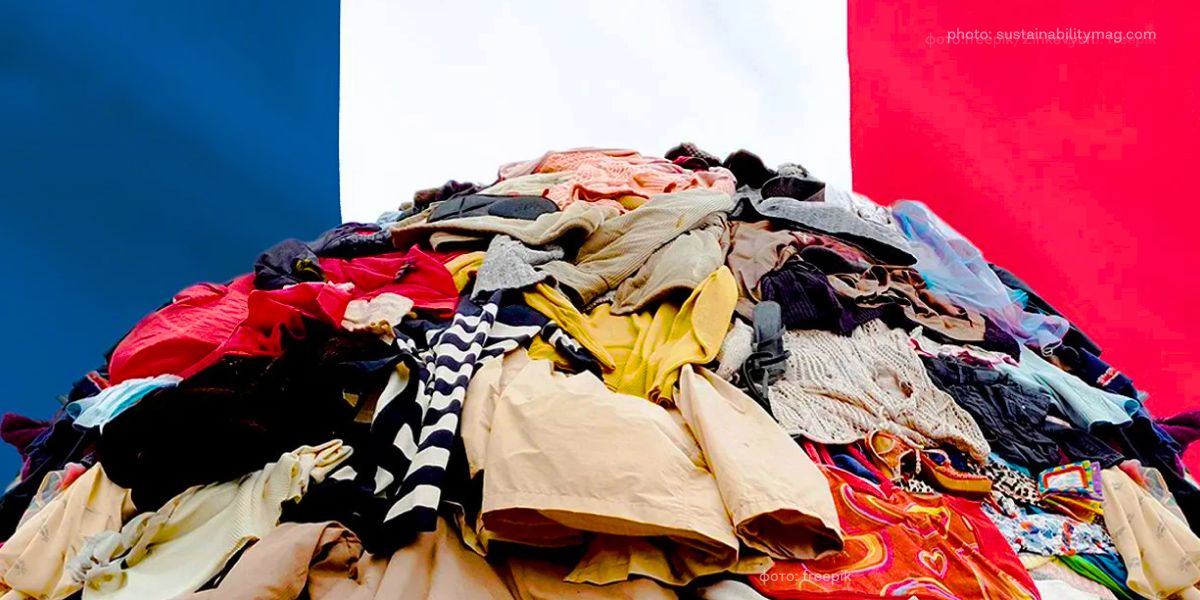


In early summer 2025, France became the first country to legally restrict the operations of fast fashion companies. The French Parliament passed a bill that includes: a ban on advertising brands that produce more than 1,000 items per day, an environmental tax of up to €10 per product, and a gradual reduction in incentives that fuel overconsumption in the fashion industry.
The legislation primarily targets companies like Shein and Temu — brands that have become symbols of disposable, ultra-cheap clothing.
Why is fast fashion a problem?
According to the United Nations Environment Program (UNEP), the fast fashion industry is one of the most polluting sectors in the world:
-
Over 92 million tonnes of textile waste are discarded annually,
-
20% of global water pollution is caused by textile treatment and dyeing,
-
Around 35% of microplastics in the ocean come from synthetic clothing.
Clothing priced at just €2–5 hides its real costs:
-
depletion of natural resources,
-
greenhouse gas emissions,
-
exploitation of workers in the Global South,
-
and massive textile dumps in Africa and Latin America that are becoming environmental disasters.
What changes with France’s decision?
The French law sets an important precedent. It redefines the narrative: speed and volume are no longer signs of progress but threats to the planet. This move promotes the development of sustainable fashion by:
-
encouraging local production and transparent supply chains that prioritize high-quality, long-lasting garments,
-
reducing pressure on the climate and water resources,
-
holding major companies accountable for their environmental footprint,
-
and pushing other countries to reconsider their policies on fast fashion.
What does this mean for the world and the fashion industry?
A global shift has begun. France’s law could become a blueprint for other nations seeking ways to reduce the environmental toll of the textile industry. A new era of responsible production — companies will have to rethink their business models: producing less, moving slower, and being more transparent. Changing consumer habits — people around the world are receiving a clear message: cheap clothing comes at a high environmental cost. Justice and sustainability — this is a step toward a more ethical economy that respects labor, nature, and finite resources. France is showing the world that fashion can be not only beautiful — but also responsible.
Support Glossary Eco Foundation so we can continue educational and eco-friendly projects that make real difference
Donate