Environmental education: not a subject, but a way of thinking

08.09.2025
#Education
3 min reading
Share:


Today, environmental education can no longer be an “optional” or a section in a biology textbook. It is a system of knowledge, skills and values that forms in children and adults the ability to think critically, make conscious decisions and act responsibly towards the environment.
Environmental education is not a set of terms or statistics about pollution. It is the understanding that our daily life – from the way we move to the choice of products – has a direct impact on the planet. And this impact can be made positive if we have the knowledge and motivation.
What should it be?
Interdisciplinary. Ecology does not exist separately from economics, energy or medicine. Modern education must integrate environmental topics into different subjects so that students see: the environment is a part of every sphere of our lives.
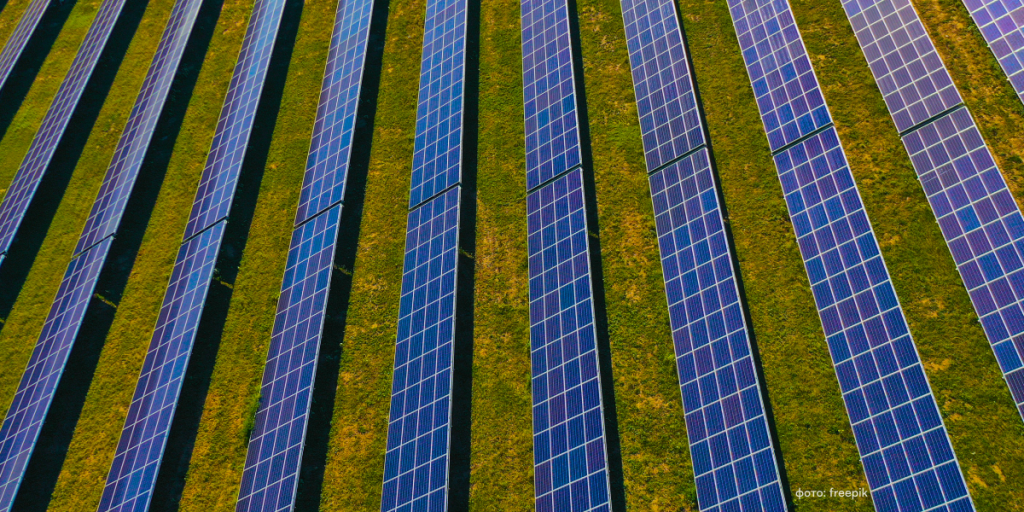
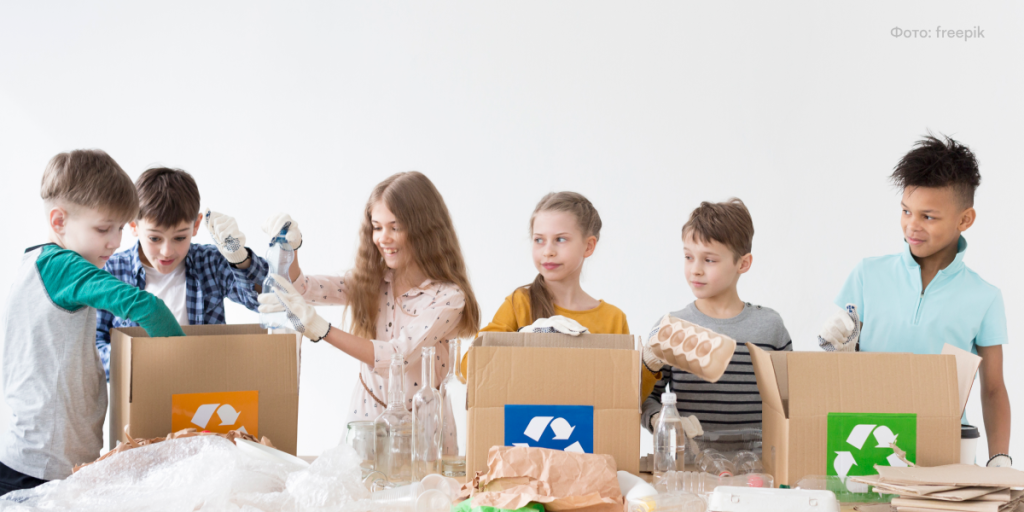
Practical. It is not enough to just talk about climate problems. It is important to teach how to act: how to sort waste, how to use solar energy, how to conserve water, how to reduce your “ecological footprint”. Practical skills create a sense of responsibility and the power to influence change.
Humanistic. We must teach that ecology is primarily about people. Clean air, safe water, sustainable communities are issues of human rights and justice. And it is precisely because of this dimension that environmental education becomes part of civic education.
Inspiring. Fear of disasters alone does not motivate. We need inspiring examples: schools with solar roofs, communities that restore forests, cities with developed public transport. This should not be a story about the end, but about the possibility of a new beginning.
Inclusive. Environmental education should be accessible to every child – regardless of whether they live in a big city or in a frontline village. After all, it is those who suffer the most from environmental crises who are most often deprived of quality knowledge about how to combat them.
Why is this important for Ukraine now?
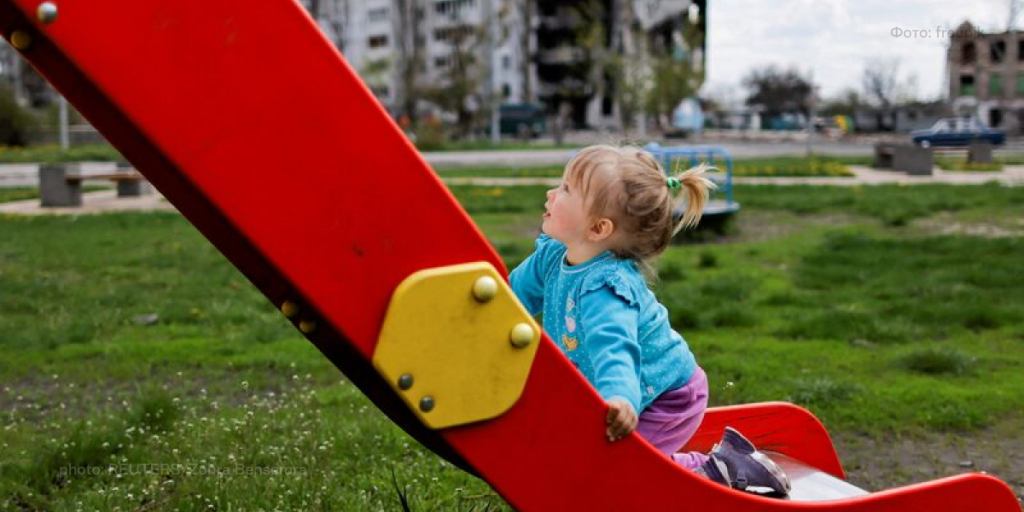
The war has made environmental risks even more tangible: destroyed forests, burned fields, poisoned waters, dangerous soils. In these conditions, environmental education is not a “luxury”, but a matter of security and survival.
It prepares a new generation of Ukrainians capable of rebuilding the country so that it is resilient — both to war and to climate challenges. This is a chance to integrate modern green standards, which have long been the norm in Europe, into our reconstruction.
It prepares a new generation of Ukrainians capable of rebuilding the country so that it is resilient — both to war and to climate challenges. This is a chance to integrate modern green standards, which have long been the norm in Europe, into our reconstruction.
What does this mean for each of us?
Environmental education is not confined to schools or universities. It begins at home: when we save electricity, choose reusable items, ask where our water or products come from.
This is the basis of a new culture in which we perceive nature not as a resource, but as a value. And we understand: our actions today determine the country our children will live in tomorrow. Environmental education is the key to ensuring that Ukraine after the war is not only rebuilt, but also stable, safe, and livable.
Support Glossary Eco Foundation so we can continue educational and eco-friendly projects that make real difference
Donate