Plastic May Be Heating the Planet More Than Scientists Once Thought
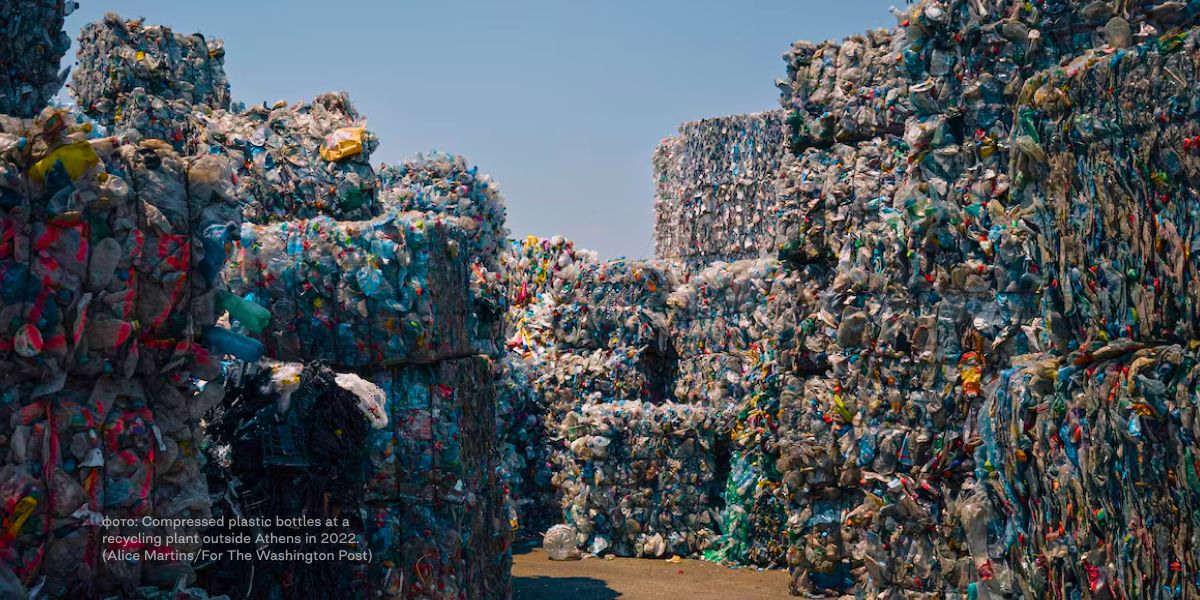


Plastic is often seen as an environmental pollution problem — littered beaches, plastic bags in forests, microplastics in water and food. But new research reveals that the issue goes much deeper: plastic is also a significant driver of climate change, contributing to global warming far more than previously assumed.
According to findings published by The Washington Post, the climate impact of plastic has been vastly underestimated. Until recently, researchers mostly focused on the emissions from plastic waste management and, to some extent, production. But when examining the full life cycle of plastic — from the extraction of raw materials to its eventual breakdown or incineration — scientists have found the environmental cost to be much higher than expected.
A large share of plastic is derived from natural gas. During its extraction, transportation, and refinement, vast quantities of methane are released — one of the most potent greenhouse gases. On top of that, plastic incineration, still widely used as a “recycling” method in many countries, emits not only carbon dioxide but also toxic substances and other heat-trapping gases.
Another lesser-known factor is plastic’s effect on the ocean’s ability to reflect sunlight. As plastic accumulates in the oceans, it forms a film on the surface that absorbs solar heat rather than reflecting it, as clean water would. This accelerates ocean warming and disrupts the Earth’s climate system as a whole.
If no changes are made, emissions linked to plastic could account for up to 13% of the global carbon budget by 2100 — the maximum allowable emissions if we hope to avoid the worst scenarios of climate change.
This casts serious doubt on the sustainability of current approaches to plastic management. Recycling alone is not enough. What’s needed is a systemic transformation: reducing plastic production, banning single-use packaging, encouraging the development of alternatives made from natural or recycled materials, and adopting global policies to cut emissions at every stage of the plastic chain — from resource extraction to end-of-life disposal.
For everyday consumers, this means making more conscious choices: reducing personal plastic use, opting for reusable items, paying attention to product labels, supporting sustainable consumption initiatives, and demanding transparency and stronger action from both companies and policymakers.
Plastic can no longer be treated as just a waste problem. It is now recognized as one of the drivers of the climate crisis — and it requires not only our awareness, but our action.
Support Glossary Eco Foundation so we can continue educational and eco-friendly projects that make real difference
Donate