Plastic Clothing: What is Polyester and How to Avoid It
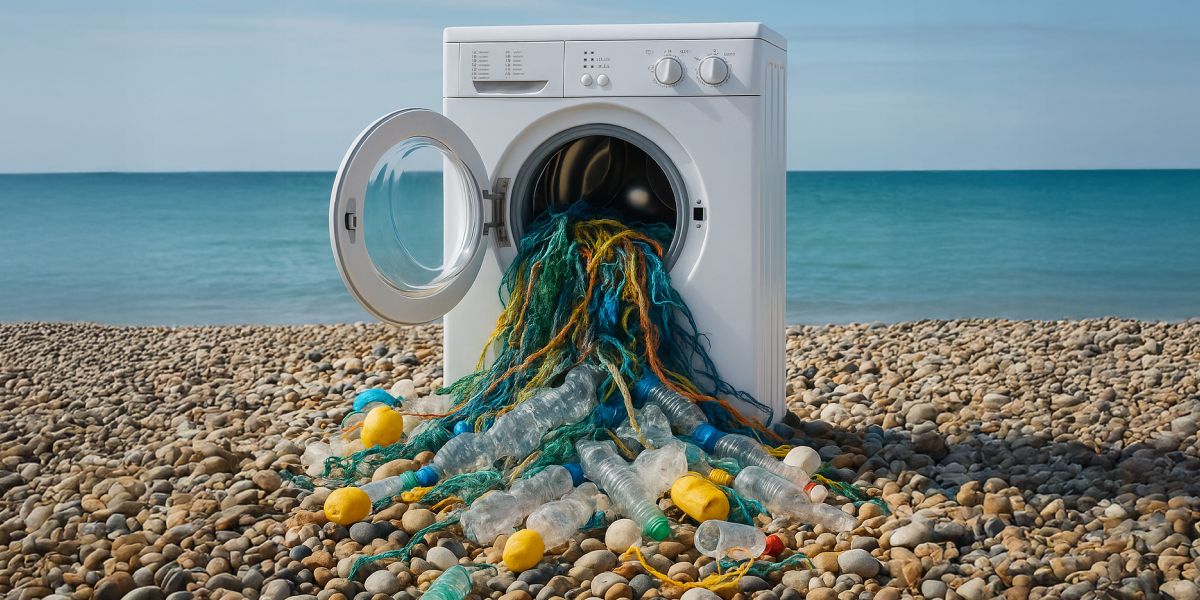


When we hear the word “plastic,” we usually think of supermarket bags, bottles, or disposable tableware. But did you know that a large part of your wardrobe is also plastic? Polyester is a synthetic fiber made from petroleum. It’s also known as polyethylene terephthalate (PET) — yes, the same material used for drink bottles. Today, over 60% of all clothing worldwide is made from polyester or polyester blends. It’s cheap, convenient, wrinkle-resistant — but it comes with a heavy environmental cost.
Why polyester is harmful
Polyester doesn’t biodegrade. As a type of plastic, it can take hundreds of years to break down. One discarded polyester sweater can “live” for centuries in a landfill.
It releases microplastics. Every time you wash synthetic clothing, it sheds thousands of microscopic plastic particles. These particles enter waterways, then fish, and eventually — our food. It produces high CO₂ emissions. Manufacturing one kilogram of polyester generates around 9.5 kilograms of greenhouse gases — significantly more than producing natural fabrics. It’s chemically processed. To make polyester soft, shiny, or stretchy, manufacturers use chemicals that can be harmful to both human health and the environment.
How to avoid polyester
Read the labels. Avoid materials listed as polyester, nylon, acrylic, or elastane. Opt for natural fabrics like cotton, linen, hemp, and wool.
Quality over quantity. Instead of buying five cheap polyester T-shirts, invest in one high-quality natural-fiber shirt that will last much longer.
Support sustainable fashion. Buy secondhand, upcycle old clothes, or swap items with friends — every refusal to buy new synthetic garments makes a difference.
Use microfiber wash bags (like Guppyfriend) to reduce the release of microplastics into water systems.
Recycle instead of tossing. Polyester clothing should be brought to recycling centers or textile collection points — not thrown in the trash.
Our clothes aren’t just about style — they reflect our environmental choices. What we wear matters. By choosing plastic-free fabrics, we not only protect our health but also lighten our footprint on the planet.
Plastic-free fashion is possible. Let’s start with a T-shirt.
Support Glossary Eco Foundation so we can continue educational and eco-friendly projects that make real difference
Donate