Earth Day: A Story That Began with an Environmental Tragedy


It all started with an environmental disaster. In January 1969, a massive oil spill occurred in the Santa Barbara, California, area. About 12 million liters of black fuel spilled into the Pacific Ocean, destroying marine fauna, covering beaches with a thick layer of fuel oil and leaving a feeling of powerlessness. This tragedy shook society. American Senator Gaylord Nelson reacted to it, who decided to bring the environmental issue to the level of national discussion.
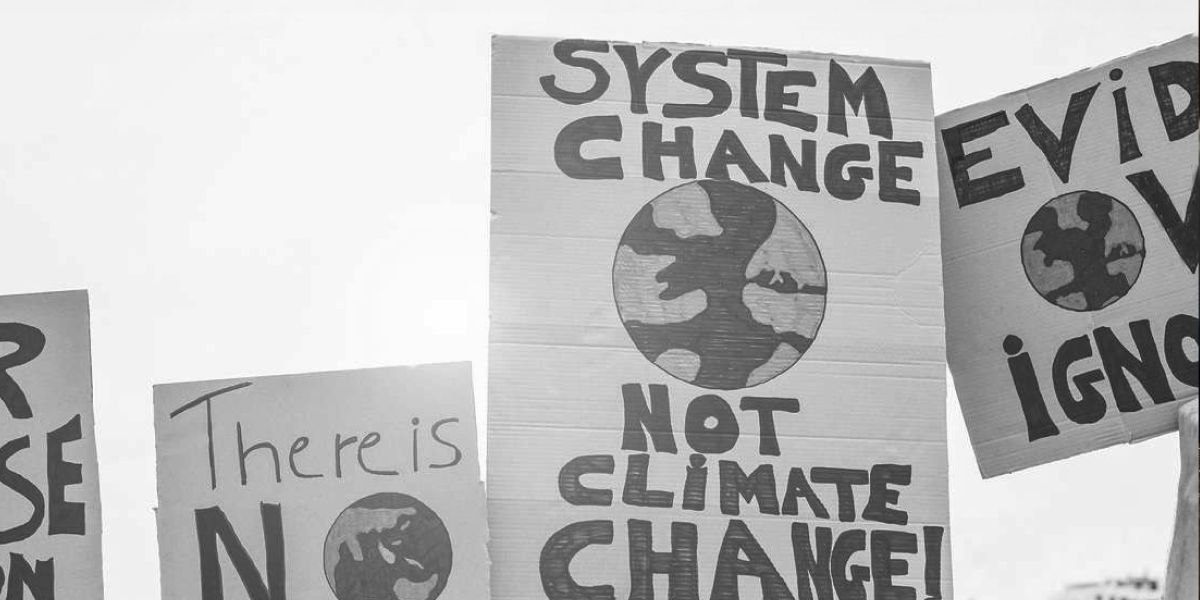
Thus, on April 22, 1970, the first Earth Day took place – a day of mass protests, actions and lectures on the state of the environment. More than 20 million Americans joined it. This was the beginning of the environmental movement in the United States and the basis for the creation of the Environmental Protection Agency (EPA). Already in 1990, the initiative became global in scope — in 141 countries, actions aimed at preserving the planet were taking place. Today, this day is celebrated in over 190 countries around the world.
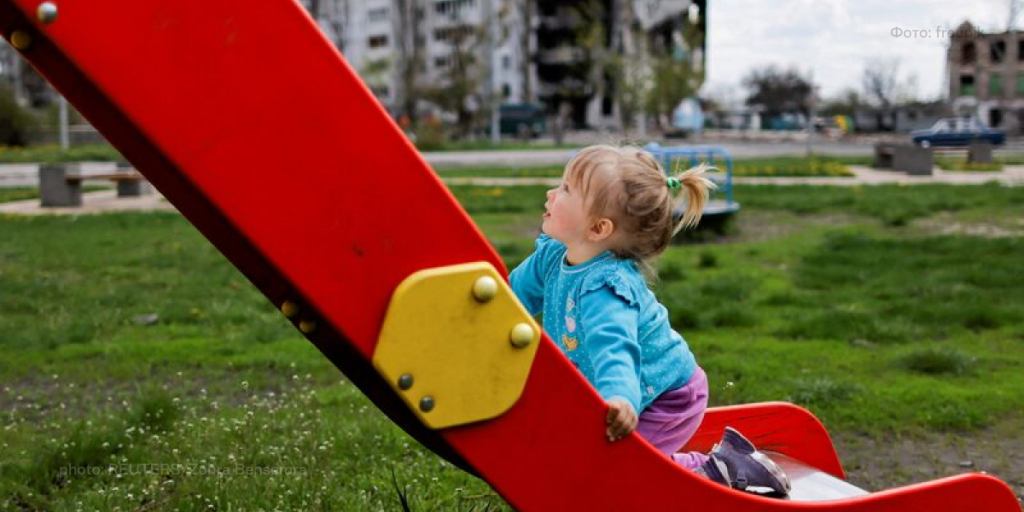
Why do we need Earth Day today? This is not a formality or a date for calendar reporting. It is a point of focus — on what we are doing to the planet and what consequences this leads to. According to the Intergovernmental Panel on Climate Change, the average temperature on the planet has already increased by over 1.1°C. This level of warming is causing melting glaciers, rising sea levels, loss of biodiversity, and extreme weather events. According to a UN study, the number of climate disasters in the world has almost doubled over the past 20 years. The relevance of Earth Day lies in its simple logic: we have no other home. In the conditions of the war in Ukraine, this feeling has only intensified. We see how war not only takes lives, but also destroys nature – poisoned soils and water bodies, destroyed forests, minefields that block the restoration of ecosystems.
What can we do? Responsibility starts with small things – habits that are easy to change:
– reduce the use of plastic
– choose local products
– sort waste
– reduce consumption
– support sustainable development initiatives
– learn more about the impact of our actions on the environment
This day is not about an abstract “planet”, but about the concrete decisions of each of us. About what we will leave behind – carbon footprints or the path to recovery. More about the history of Earth Day: earthday.org/history
Support Glossary Eco Foundation so we can continue educational and eco-friendly projects that make real difference
Donate