Climate crisis at the UN COP29 conference: Why are experts criticizing the negotiation process?
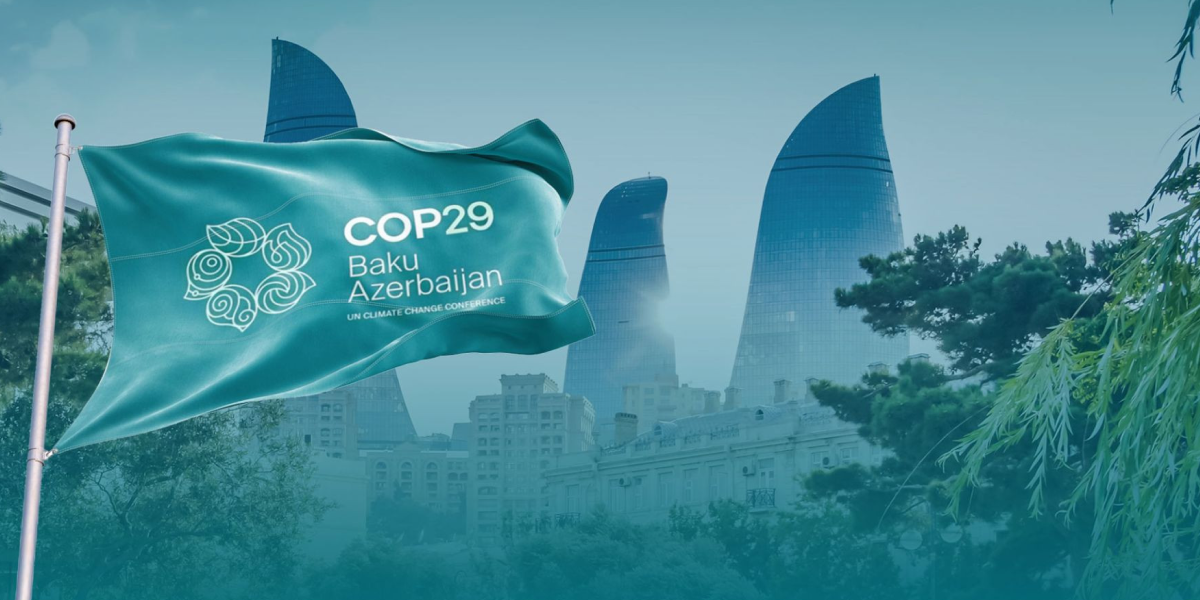


The climate crisis is becoming an increasingly serious problem for our planet, and the world continues to search for solutions. One of the largest international events addressing these issues is the United Nations Climate Change Conference (COP). This year, the 29th COP29 conference took place on November 11 in Baku, the capital of Azerbaijan. However, despite great efforts, the conference’s results leave many questions unanswered.
Key issues at COP29
This year’s conference saw several controversies among countries. Some want to take more steps to phase out fossil fuels, while others, especially oil and gas-producing countries, insist that the main discussions focus on financing rather than radical change. The president of Azerbaijan told world leaders gathered in his country for COP29 that natural gas is a “gift from God” and he should not be blamed for releasing it onto the market. This comes days after the BBC reported that a senior Azerbaijani official appeared to have used his role at the COP to organize a meeting to discuss potential fossil fuel deals. Simon Still, the UN climate change executive secretary, has said that climate finance should not be seen as charity but as an important part of a global strategy. However, countries dependent on fossil fuels are reluctant to change their economic models. There are also concerns that the format of the conference itself is not keeping up with the pace of change needed to tackle the climate crisis. Experts such as Ban Ki-moon and Christiana Figueres believe that the current negotiation process is too slow and more practical steps are required.
Urgent change needed
While the Paris Agreement, signed in 2015, made important promises, including keeping global temperature increases below 1.5°C, the situation in practice remains challenging. Greenhouse gas emissions have risen again in recent years, calling into question the effectiveness of existing mechanisms. Scientists estimate that emissions should be cut by 42% by 2030, but this has not happened yet. Last year’s COP28 conference in Dubai agreed to phase out fossil fuels, but this year emissions have risen again by 1%. This gives the impression that the negotiations are not moving at the pace needed to respond quickly to climate change.
Controversy at COP29
This year’s conference was also under the spotlight due to the controversy surrounding Azerbaijan’s role as host country. The country’s President Ilham Aliyev defended natural gas exports, calling them “a gift from God” and saying that countries should not be blamed for using their natural resources. These statements have sparked criticism among some delegations. There have also been concerns that countries heavily dependent on fossil fuels could use the COP platform to advance their economic interests, rather than focusing on global climate goals.
Concerns of small island states
Small island states are particularly concerned that their voices may not be heard in major international forums such as the G20. Small island states are among the most vulnerable to climate change, so their voice in the negotiations is very important.
Is the world ready for rapid change?
Anastasia Tsybuliak, founder of the environmental foundation Eco Glossary Foundation, shared her thoughts on COP29. She notes that while the Paris Agreement is an important achievement, the format of the conference itself is no longer in line with the rapid changes needed to combat climate change:
“This year’s COP29 conference gave me mixed emotions. The COP format is no longer up to the challenges of our time. Experts such as Ban Ki-moon and Christiana Figueres are calling for reform, including more frequent and smaller meetings with clear accountability. Scandals and controversies only add to the sense of mistrust. For example, this year, Azerbaijan, the host of the event, used the COP platform to promote fossil fuels.”
Why is this important for each of us?
“While the big talks are stalling, it is our daily decisions that shape the future. The choices we make about energy, products, and transportation are the climate voices we all have.” I agree with the experts: the COP format needs to be revamped, but we cannot wait for change to come from above. We need to act now—at the level of homes, communities, and businesses,” said Anastasia Tsybuliak, founder of the Eco Glossary Foundation.
COP29 showed that international climate negotiations face numerous challenges and their pace is no longer keeping up with the demands of the climate crisis. On the one hand, there are some achievements, in particular the Paris Agreement, but on the other hand, emissions continue to grow and the effectiveness of the negotiations is in doubt. Therefore, while it is important to renew the COP format and work at a global level, each of us also has a responsibility for the future of our planet and can contribute to the fight against climate change today.
Support Glossary Eco Foundation so we can continue educational and eco-friendly projects that make real difference
Donate