The war in Ukraine: an ecological catastrophe of a planetary scale
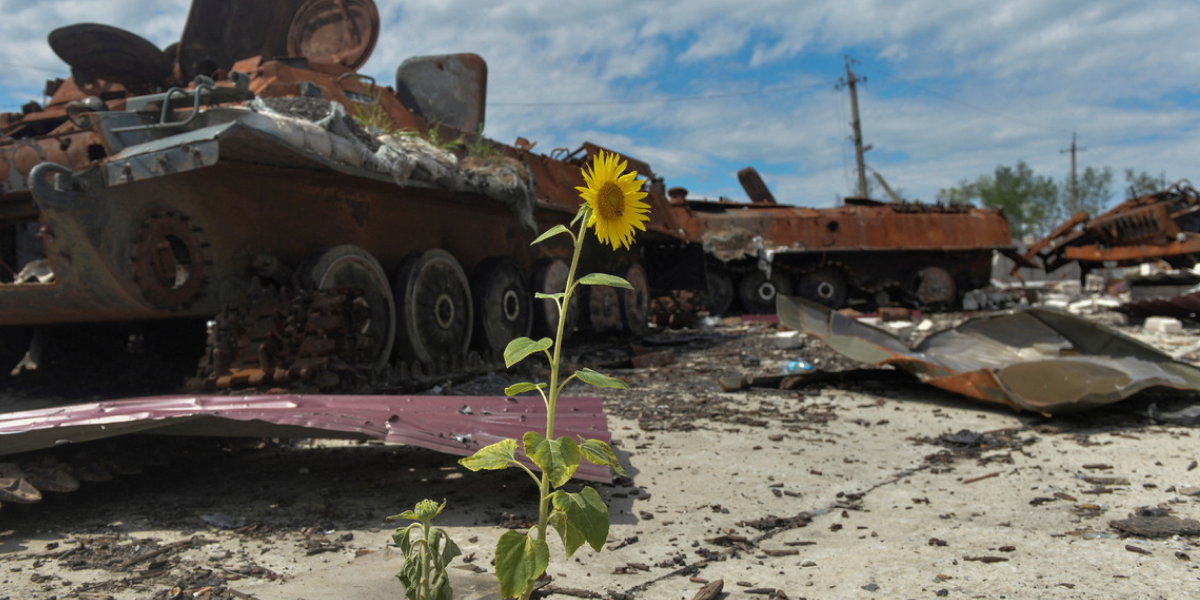


The war affects not only people and infrastructure, but also nature, creating a global ecological crisis. Since the beginning of the full-scale invasion of Ukraine, more than 113.4 million tons of pollutants have been released into the atmosphere. This volume is equivalent to the annual emissions of countries such as the Czech Republic or Belgium. The data in the article is taken from a study by the Ministry of Environmental Protection of Ukraine, which assesses the environmental consequences of the war.
Forest fires due to the war.
Over 79 thousand hectares of forest were destroyed due to shelling, which caused emissions of over 23 million tons of CO₂. These losses accelerate global warming and affect the climate balance.
Destruction of fuel infrastructure.
Over 3 million tons of oil products were burned. This created a dangerous impact on the air, soil and aquatic ecosystems. The pollution caused by these events spreads over vast territories.
Soil pollution.
The war has left over 20.8 million square meters of land contaminated with heavy metals and explosives. These areas are becoming unusable, making it difficult to restore natural ecosystems and agriculture.
Destruction of water bodies.
The destruction of the Kakhovka hydroelectric power station caused large-scale pollution of the Dnieper River. Millions of people were left without access to drinking water, and the river ecosystem suffered catastrophic losses.
Destruction of forests.
Over 3 million hectares of forests have been damaged in Ukraine. These forests could absorb 15 million tons of CO₂ annually. Their destruction undermines natural mechanisms for combating climate change.
What can we do?
• Criminalization of environmental crimes: it is necessary to recognize the actions caused by the aggressor as environmental crimes that led to massive environmental pollution.
• Pressure on the international environmental community: it is necessary to force world powers to recognize war as a factor contributing to the global climate crisis and to apply international sanctions against the aggressor. Establishing mechanisms for compensation for environmental damage will allow financial resources to be directed to the restoration of ecosystems
• Support initiatives for accountability: it is necessary to support initiatives that deal with the legal justification of environmental crimes and use all possible channels to pressure the international community. Disseminate information about the environmental consequences of war in order to attract the attention of international organizations and force them to act.
Support Glossary Eco Foundation so we can continue educational and eco-friendly projects that make real difference
Donate