November is the world vegan month
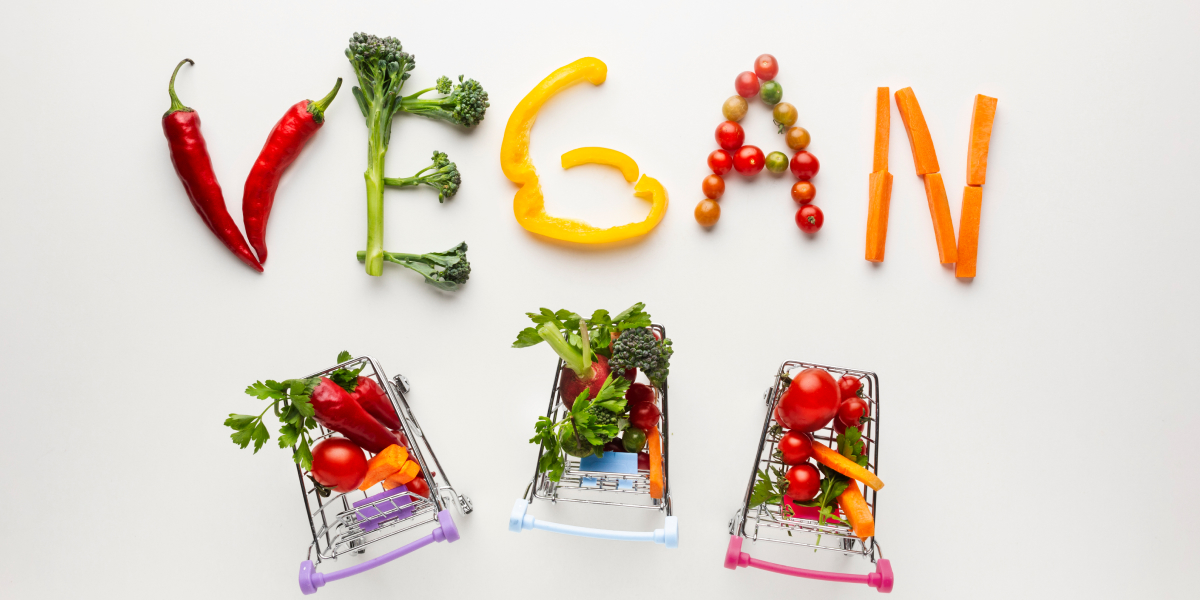


During this time, vegans and advocates of a healthy lifestyle organize various events, promotions, and campaigns to raise awareness of veganism, its health and environmental benefits, as well as the ethical aspects of avoiding animal products.
Veganism includes not only a diet without meat, dairy products, and eggs but also the refusal to use any products that have been tested on animals or contain animal ingredients. This covers cosmetics, clothing, household chemicals, and other aspects of everyday life. Many people go vegan because of a desire to reduce their negative impact on the environment, improve their health, or for ethical reasons regarding animal rights
How many people choose veganism?
The veganism movement is gaining popularity all over the world! According to The Vegan Society and World Animal Protection, there are more than 79 million vegans in the world today. This figure is growing every year because more and more people are aware of the impact of their choices on health, animals, and the environment. This shows the growing popularity of veganism and its recognition as a healthy and ecological alternative to traditional diets. These data are confirmed by studies published in various scientific and sociological publications. While celebrating this month, it is also important to pay attention to the environmental impact of animal farms. Animal husbandry is one of the main factors of environmental pollution caused by greenhouse gas emissions, deforestation, water consumption, and depletion of natural resources. Going vegan can significantly reduce these negative impacts and contribute to the sustainable development of the planet.
Why do farms harm the environment?
Modern livestock farms are one of the most serious challenges to the ecology of our planet. They have a negative impact on the environment in several key ways.
– Large emissions of greenhouse gases. According to the United Nations, animal husbandry is one of the biggest causes of greenhouse gas emissions, particularly methane, which is produced in the process of animal digestion. Methane is 28 times more powerful than CO₂ in creating the greenhouse effect that contributes to global warming.
– Depletion of water resources. Meat production requires a huge amount of water. For example, more than 15,000 liters of water are needed to produce just 1 kg of beef. While the production of 1 kg of soybeans requires about 10 times less water.
– Deforestation. Much of the world’s rainforests are cleared to create pastures or to grow forage crops, such as soybeans, to feed farm animals. This leads to the destruction of habitats of wild animals and the reduction of biodiversity.
– Soil and water pollution. Large livestock farms often lead to environmental pollution with waste — manure and other wastes end up in rivers, lakes, and soils. This causes the formation of “dead zones” in aquatic ecosystems, where living organisms cannot exist due to lack of oxygen.
This global trend shows that even small changes in nutrition can have a big impact on our common home, planet Earth.
Support Glossary Eco Foundation so we can continue educational and eco-friendly projects that make real difference
Donate