Ecological vacation in Ukraine: how war changes our routes and habits
22.07.2025
#Analytics
3 min reading
Share:


After 2022, many Ukrainians perceive summer differently. Vacation has ceased to be an automatic synonym for carefree. Tourism in a country at war has become both a personal challenge and a social gesture – to support local business, to restore mental resources, to maintain a connection with their native land. But can we afford to travel today – and not at the expense of the environment?
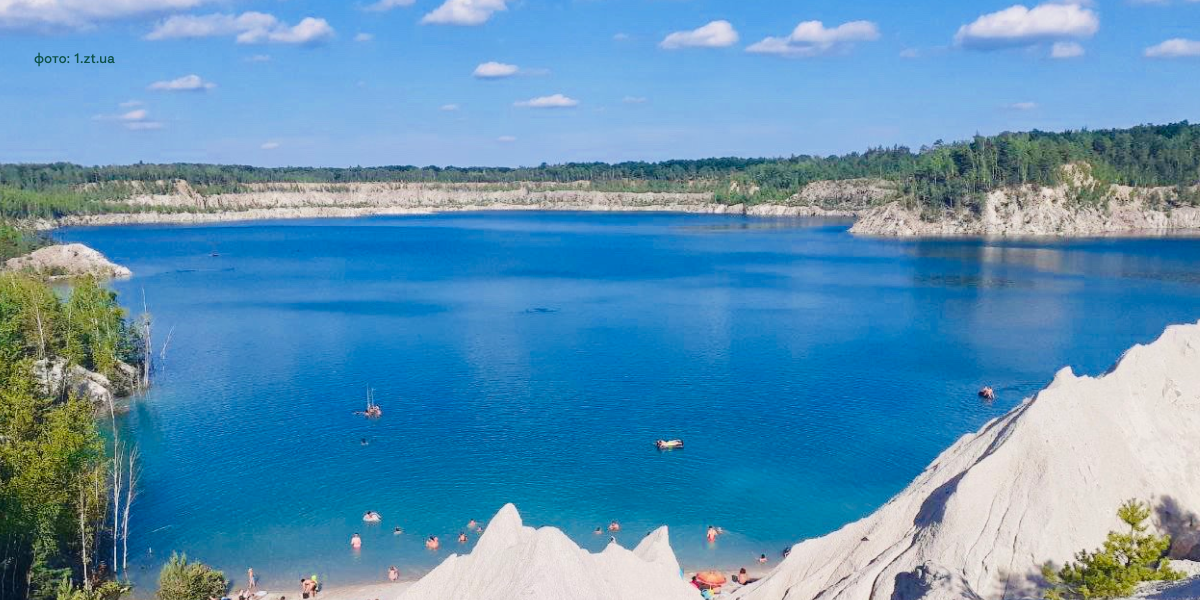
During wartime, the geography of Ukrainian tourism changed. Due to the threat of shelling, mining of territories and damaged infrastructure, many popular regions were inaccessible. Instead of Crimea or the south – the Carpathians, instead of the Black Sea – the Shatsk Lakes, Podillia or Cherkasy region. Ukrainians began to travel closer to home, choosing less mass locations. This forced “local tourism” can become an opportunity to rethink their habits and make them more sustainable. Sustainable tourism is not just about “eco” in the hotel name. It is a way of traveling with respect for local communities and nature. It is hiking instead of riding quad bikes, a night in a farm hostel instead of a five-star complex, a backpack with reusable utensils instead of a bag with disposable plastic. And also – the choice to buy bread from a local bakery, rather than from a national supermarket chain. All this is not about restrictions, but about shifting the focus from “consume” to “be”.
The demand for nature in stressful times is understandable and justified. But nature is not an infinite resource. Ukrainian ecosystems are already suffering not only from war (fires, mining, water pollution), but also from the growth of uncontrolled tourism. Rivers that do not have time to clean up, forests that are invaded by cars and quads, the lack of bio-toilets and a camping culture – all this is gradually killing what we came to restore.
War is also an ecological disaster that makes sustainable recreation even more difficult. Some protected areas remain dangerous due to mining, and state resources are reoriented to other needs. But it is in such conditions that it is important for us to learn to live and relax responsibly. When choosing locations, check their safety; when staying near water bodies, do not disturb fragile ecosystems; when using nature, make sure that it “survives” us.
Ecological recreation today is an act of care. About ourselves, when we consciously reduce the level of anxiety through contact with nature. About the economy, when we support local businesses in peaceful communities. And about the future, when we leave no trace behind. Because even in times of war, we do not cease to be responsible. On the contrary, it is now that we are learning to relax not only beautifully, but also consciously. And this is where our true freedom lies.
Support Glossary Eco Foundation so we can continue educational and eco-friendly projects that make real difference
Donate