Earth Overshoot Year 2025: How We Begin Living on Credit with Nature
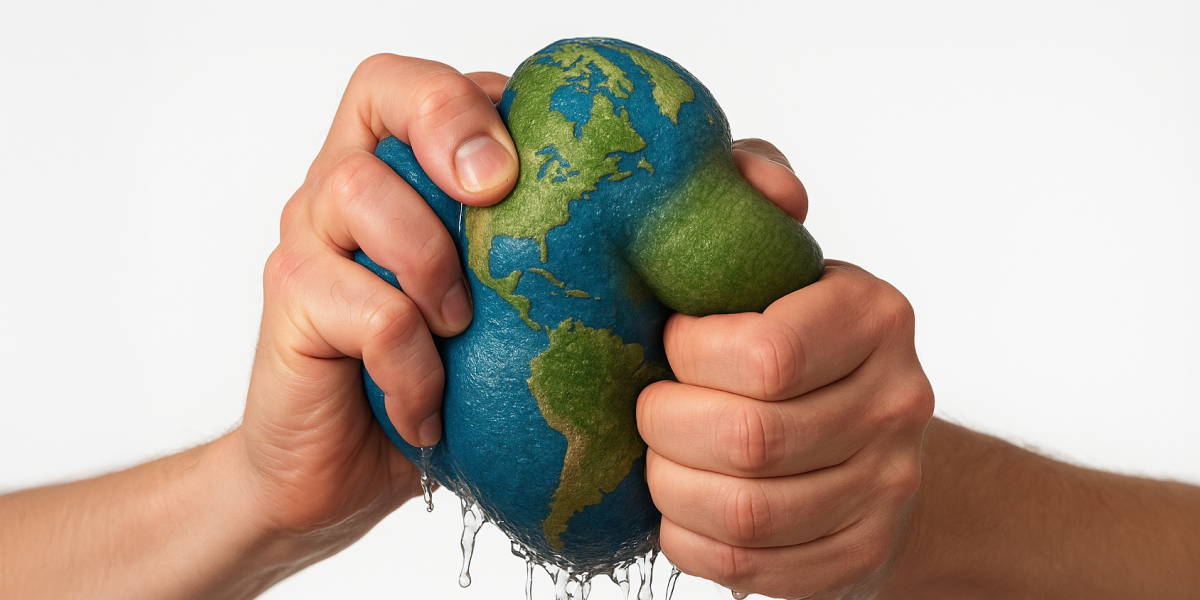


Earth Overshoot Year is the date when humanity exhausts all the resources that Earth can regenerate in a single calendar year. After this point, we begin living in “ecological debt,” consuming more resources than the planet can replenish. In 2025, this day arrives exceptionally early — in August, signaling critical changes in the natural environment that directly impact our future.
What is Earth Overshoot Year?
Earth Overshoot Year marks the moment when humanity begins living “on credit” with nature. After this date, determined annually by the Global Footprint Network, we begin to use resources that can only be replenished in the next year. Each year, this date shifts based on our consumption of natural resources.
For example, if Earth Overshoot Year falls on July 28, it means that from July 29 to December 31, we are consuming resources that Earth can replenish only in the next year. This shows that we are living off future generations’ resources.
How Has Earth Overshoot Year Shifted Over the Last 50 Years?
Over the past five decades, the date of Earth Overshoot Year has gradually moved earlier in the year:
-
In 1975, this day fell in November-December, meaning humanity was using resources nearly within the planet’s capacity.
-
However, by 2025, this day will fall in July, indicating that we have exceeded the yearly resource limit almost twice over.
This signals that the current pace of resource consumption is vastly outstripping Earth’s ability to regenerate.
What Leads to Such an Early Earth Overshoot Year?
The primary reason for this early date is the rapid increase in resource consumption driven by several factors:
-
Population and Living Standards Growth: More people mean more consumption of energy, food, water, and materials.
-
Increased Energy Consumption: Over the last 50 years, energy use has risen sevenfold due to industrialization, urbanization, and digital technology development.
-
Rapid Growth in Data and Digital Services: Data centers, streaming, artificial intelligence, and e-commerce all contribute to higher energy consumption.
-
Mass Production of Disposable Goods: Plastics, textiles, and electronics with short life cycles increase resource use and waste production.
Why Does This Matter to Each of Us?
Depleting natural resources leads to soil degradation, water pollution, biodiversity loss, and climate change. All of these processes threaten the sustainable development of humanity. If current trends continue, by 2050, we will need several planets to maintain our standard of living — which, of course, is impossible.
Earth Overshoot Year is not just a date; it’s a signal that we need to change our consumption habits, and the global economy must shift toward sustainable development.
What Can Be Done?
To restore balance, we need to change how we consume and make it more responsible. Here are a few concrete steps that each of us can take:
-
Transition to a Circular Economy: This means reducing consumption, recycling, and reusing resources.
-
Invest in Renewable Energy: Reduce dependence on fossil fuels and promote sustainable energy solutions.
-
Be Mindful of Digital Consumption: Optimize data usage and reduce the “energy footprint” of technologies.
-
Support Policies that Promote Sustainable Development and environmental protection, and actively implement new ecological practices at all levels.
Earth Overshoot Year — A Call for Change
Earth Overshoot Year shows us that we are living off the resources of future generations. The comparison over the last 50 years clearly demonstrates how rapidly and massively our consumption has grown and how far we have strayed from balance with nature. 2025 is both a challenge and an opportunity to change our consumption paradigm. If we act now, we can move the Earth Overshoot Year closer to the end of the year rather than the middle.
Now is the time to change our habits and transition to sustainable development, so that future generations can live in harmony with nature.
Support Glossary Eco Foundation so we can continue educational and eco-friendly projects that make real difference
Donate