Carpathians without snow: how war changes the climate
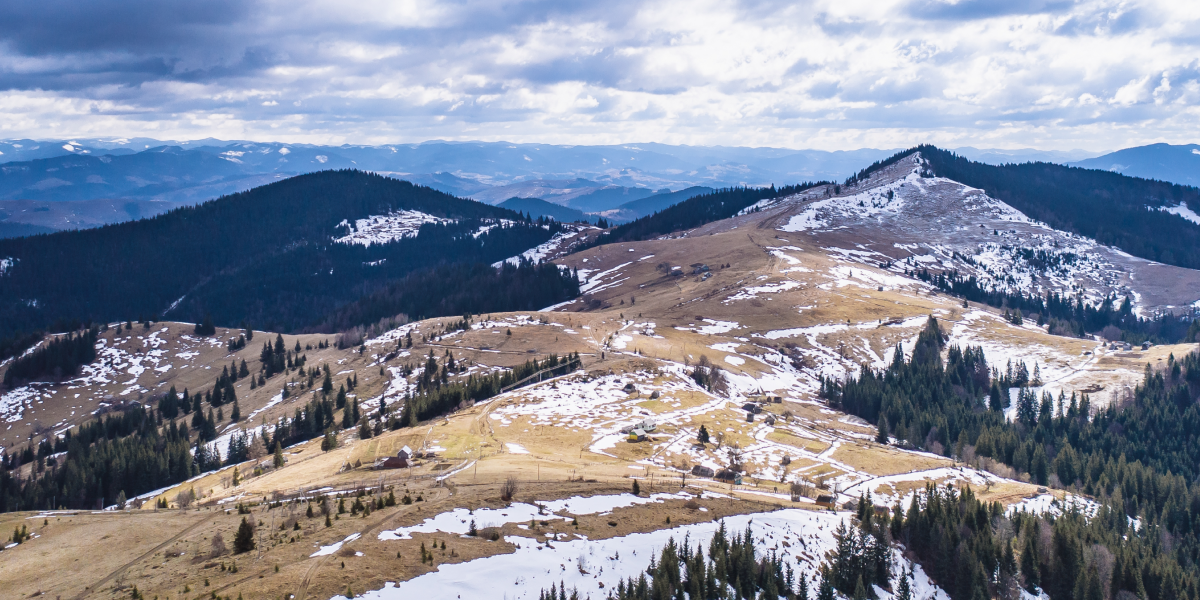


The Carpathians, once covered in snow all winter, are now seeing snow later and melting much earlier. This is a consequence of global warming, which is being exacerbated by several factors, including war. Ukraine has been embroiled in three years of fighting, which has caused significant damage to natural ecosystems. According to the Ministry of Environmental Protection of Ukraine, greenhouse gas emissions from the war have already exceeded 113 million tons in three years, exacerbating the problem of global warming and contributing to climate change.
Changes in the Carpathians: Snowy peaks disappear.
Ski resorts in the Carpathians, which could once rely on natural snow, are now forced to use artificial snow. This is due to rising temperatures and changes in precipitation patterns. According to scientific data, winter temperatures are rising, which is reducing the duration of snow cover. This has serious consequences for the flora and fauna of the region. The decrease in snow levels also affects the economy, as ski resorts suffer significant losses due to a shorter season.
Not only for the Carpathians: a global impact.
The war in Ukraine affects not only the climate of our country, but also global climate processes. According to the Intergovernmental Panel on Climate Change (IPCC), greenhouse gas emissions caused by the war have already increased the rate of global warming. This is causing additional changes in temperature regimes, particularly in mountainous regions such as the Carpathians, the Tatra Mountains and the Dolomites. Global temperatures are rising faster than expected, leading to accelerated melting of glaciers.
What can we do?
The climate impacts of war can be significant, but we have the opportunity to reduce these changes. It is important to implement new international mechanisms for redressing climate damage caused by war. Recognition of environmental crimes committed by the aggressor and compensation for them. This includes new approaches to international climate policy that take into account military conflicts as a factor accelerating climate change.
Support Glossary Eco Foundation so we can continue educational and eco-friendly projects that make real difference
Donate