The future after victory: what should the reconstruction of Ukraine look like, taking into account the principles of sustainable development



After the victory, Ukraine will face an unprecedented challenge: a large-scale reconstruction of cities, infrastructure, industry and social systems. This process should not only compensate for the consequences of war destruction, but also rethink the basic principles of the country’s development. At the heart of such a rethinking are the principles of sustainable development. According to World Bank estimates, the total cost of Ukraine’s recovery and reconstruction will already exceed $486 billion (estimate for 2024). These investments will be a chance not just to rebuild, but to transform Ukraine – economically, environmentally and socially.
Abandoning outdated models: energy efficiency and decarbonization.
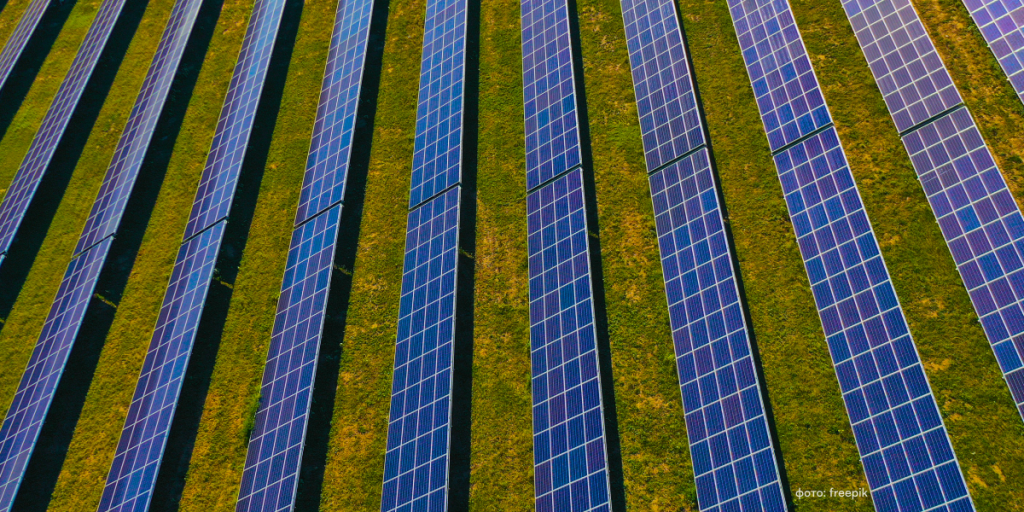
The war revealed the critical vulnerability of Ukraine’s energy system. Continued dependence on fossil fuels only exacerbates this vulnerability. As part of the Association Agreement with the EU and as part of its participation in the European Green Deal, Ukraine has committed to reducing greenhouse gas emissions and developing renewable energy. According to the International Energy Agency, solar and wind energy are already the cheapest sources of new energy generation in most countries in the world. Investments in decentralized energy systems — local solar power plants, microgrid systems, heat pumps — can become the basis for the energy sustainability of communities.
Circular economy and waste management: a post-war resource strategy
Construction waste from destroyed facilities, damaged equipment, militarized landscapes — all this requires systematic management. European countries, in particular Germany after World War II, have shown that recycling of building materials can be a full-fledged part of the economy. Ukraine should implement circular economy approaches not as an afterthought, but already at the reconstruction design stage. According to a study by the Ellen MacArthur Foundation, a circular model can reduce CO₂ emissions by 45% in the construction sector⁵.
Nature as part of recovery: ecosystem services and security.
Military actions have dealt a devastating blow to ecosystems: tens of thousands of hectares of forest have been destroyed, reservoirs have been poisoned, and soils have been destroyed. According to estimates by the Ministry of Environmental Protection of Ukraine, environmental damage exceeds 2 trillion hryvnias. Restoring natural systems is not just an ethical or environmental imperative. It is a matter of food and water security. For example, healthy soils retain water 5 times more effectively than degraded ones⁷, and forests reduce the risk of floods and erosion. Incorporating an ecosystem approach into recovery policies is of strategic importance for the country.
Green cities and sustainable urbanism: new models for living.
Urban reconstruction is not a reason to return to Soviet-era building schemes. Instead, we can introduce the “15-minute city”, green-blue infrastructure (green corridors, water bodies), transport decarbonization and gender-sensitive urban planning. According to a WHO study, green areas in cities reduce the level of depression by 30% and the level of cardiovascular diseases by 25%. In the context of restoring the mental health of the nation after the war, this is an investment not in comfort, but in national resilience.
Reconstruction as part of the European Green Deal.
Ukraine is part of the European political and economic space. After the victory, integration into the ETS (EU Emissions Trading System), adaptation to the CBAM (Carbon Border Adjustment Mechanism) and the transition to EU standards in the field of sustainable construction, transport and industry will become mandatory. This means that sustainability is not an option, but a necessity if we want to be competitive in the European market. Green recovery is not just a moral or ecological choice. It is a practical, economically sound, and geopolitically necessary path. Rebuilding without sustainability risks being a costly mistake—financially, socially, and environmentally.
Support Glossary Eco Foundation so we can continue educational and eco-friendly projects that make real difference
Donate