Water, war and indifference: how humanity is destroying the planet’s most valuable resource
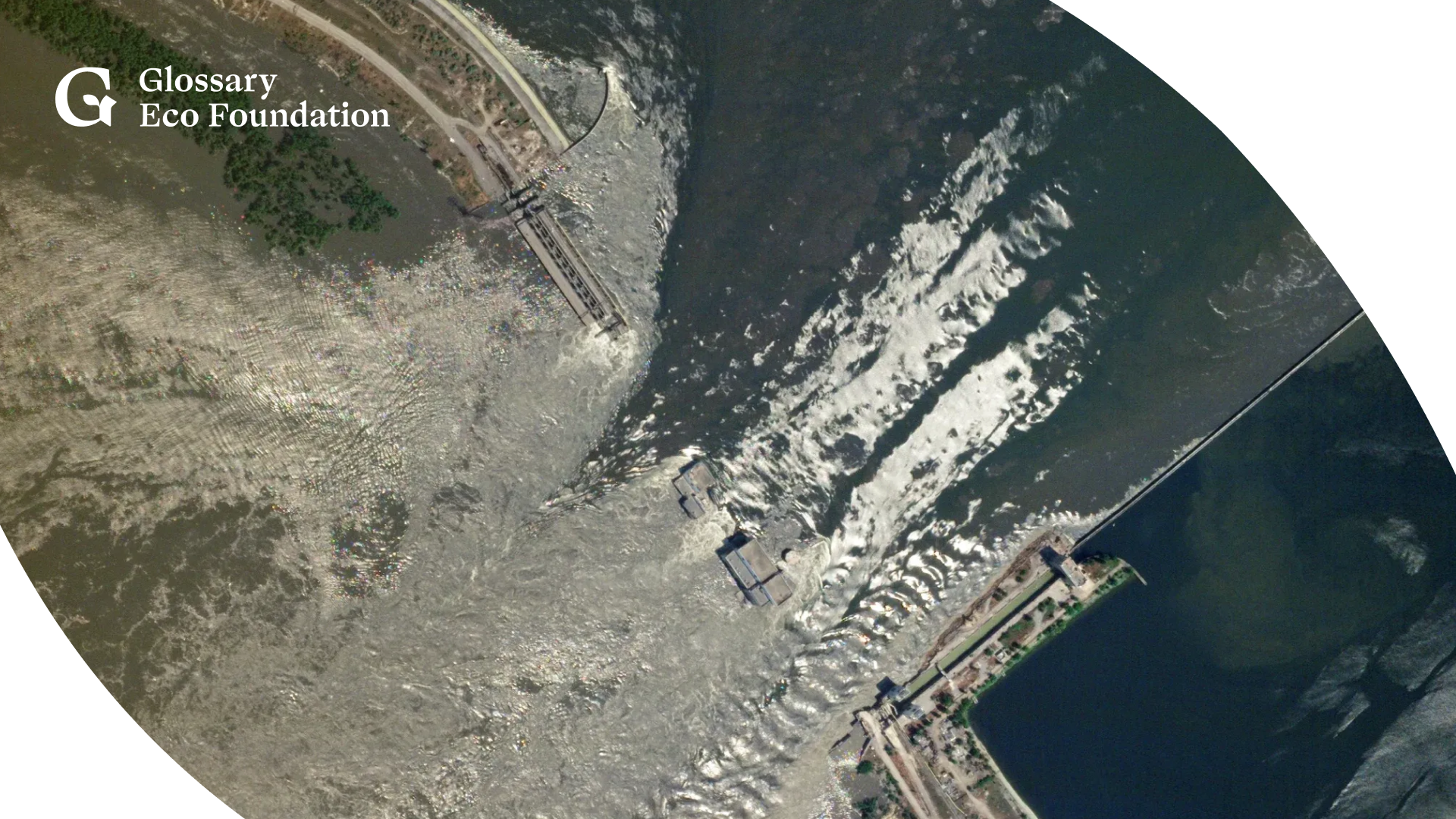


The war in Ukraine brought not only the destruction of cities and the loss of life – it became a disaster for water resources. The explosion of the Kakhovka hydroelectric power station became one of the largest ecocides in modern history: flooded settlements, destroyed ecosystems, destroyed water supply for hundreds of thousands of people. Rivers have turned into ecological disaster zones due to leaks of oil products, chemicals and the death of biota. And destroyed infrastructure facilities leave thousands of Ukrainians without access to clean water every day.
At the same time, in countries where there is no war, water seems inexhaustible. For example, in peaceful Switzerland, scientists have calculated that each resident of just one city, Geneva, uses 142 liters of water per day. There, saving water is a matter of environmental awareness, not survival. But even in developed countries, the situation is not stable: due to climate change, groundwater depletion and pollution, humanity risks losing access to clean drinking water.
One of the biggest consumers of water is the fashion industry. It uses huge amounts of water at all stages of production — from growing cotton to dyeing fabrics. It takes up to 7,500 liters of water to make just one pair of jeans — that’s as much as a person drinks in 7 years! In addition, the fashion industry is one of the biggest polluters of water bodies due to toxic dyes and chemicals dumped into rivers and lakes. The worst thing is that only 23% of large brands openly report their water footprint and risks. Most of the production facilities are located in countries where water is already scarce or polluted. But uncontrolled consumption and the pursuit of fast fashion only exacerbate the problem.
The conference “Water, War, and Wrath: The Banal Cruelty of Our Abuse of the World’s Most Precious Resource” is dedicated to all these issues, which is taking place these days in Geneva. Wars, industry, and human indifference make water a hostage to global crises.
What can we do now? The conference tried to find out how humanity and scientists can confront such huge challenges. The simplest steps that each of us can take today that can change the situation are to reduce our water footprint: reduce the consumption of new things, choose ethical brands. Save water at home: take a short shower instead of a bath, use the eco-mode of the washing machine, do not leave the tap open unnecessarily. Demand transparency from companies about their impact on water resources. Water is not only a resource, but also the right of every person. But whether it will be available for future generations depends on the decisions we make today.
Support Glossary Eco Foundation so we can continue educational and eco-friendly projects that make real difference
Donate